Deck Construction: What to Anticipate From Professional Deck Builder Services
When evaluating the expertise of a professional deck builder, clients can anticipate a well-organized process to reimagining their exterior living areas. From the initial consultation to the final touches, each phase is designed to secure adherence to local standards and quality. Understanding what to expect can facilitate a smoother journey and improve overall results. Nevertheless, homeowners are commonly unclear about their role and responsibilities throughout this journey. What key information should they have before beginning this endeavor?
Exploring the Role of a Professional Deck Builder
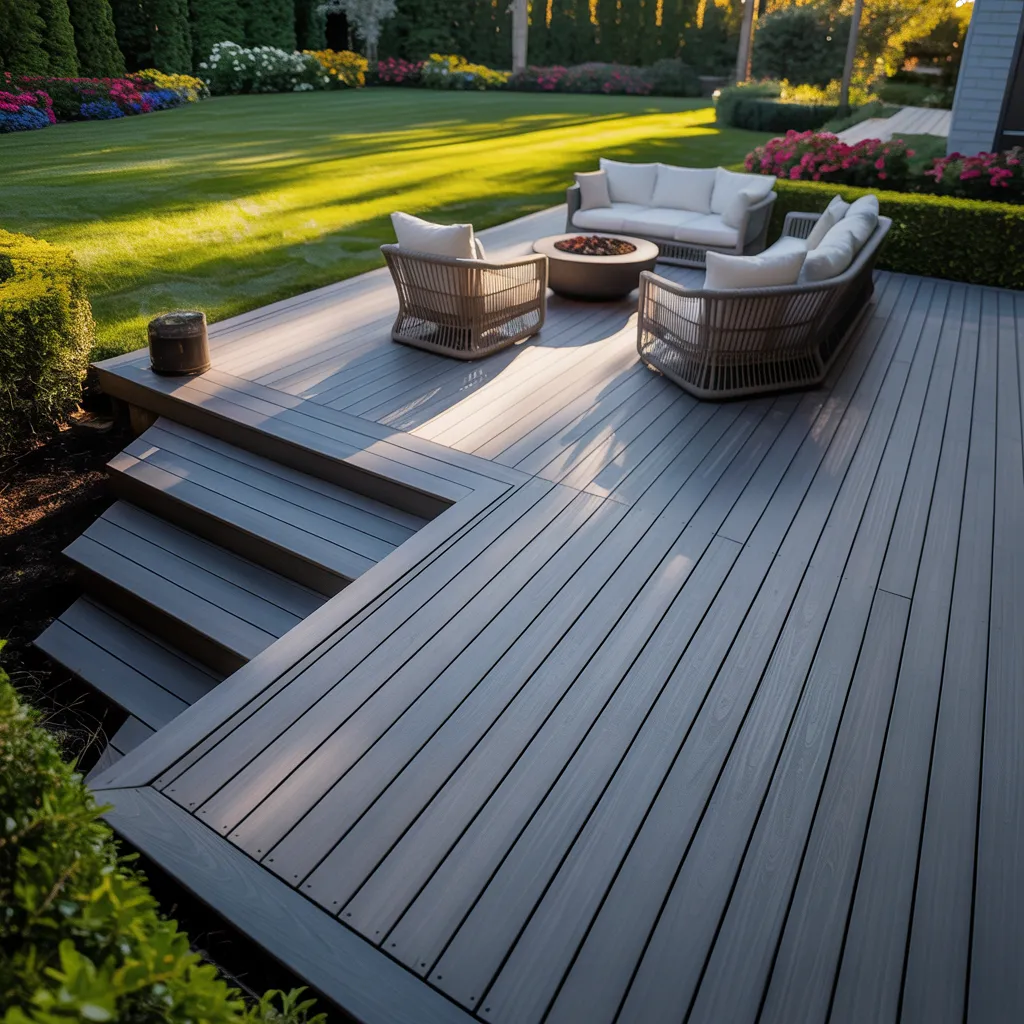
A skilled deck building professional plays an essential role in transforming outdoor living environments. Their skill set spans construction, design, and material selection, guaranteeing that each project satisfies the homeowner's vision and applicable regulations. By examining the distinct features of a property, they are positioned to propose fitting design options that enhance the overall look and usability.
These professionals are adept at handling the full scope of the building process, working closely with suppliers, and keeping to strict timelines. They demonstrate a thorough understanding of a wide range of materials, from wood to composite, equipping them to counsel clients on durability and maintenance.
Furthermore, a skilled deck builder ensures structural integrity, incorporating safety standards that adhere to established building codes. Their knowledge eliminates common pitfalls, ensuring a seamless construction process and a positive final outcome. Ultimately, a experienced deck builder not only builds practical outdoor living areas but also brings substantial benefit to a home through careful planning and skilled craftsmanship.
What to Anticipate in Your Initial Consultation
During the initial consultation, clients will experience a detailed discussion of their project goals, enabling the builder to grasp their ideas. In addition, choices related to design features will be examined to guarantee a match between the client's expectations and the builder's capabilities. This essential meeting lays the groundwork for a smooth deck-building experience.
Project Objectives Overview
When homeowners schedule an initial consultation for deck building services, they can expect a thorough discussion aimed at clarifying the goals and preferences of the project. This discussion generally starts with clients describing their vision for the deck, including intended uses such as entertaining or relaxation. Professionals will inquire about particular features, preferred materials, and financial limitations. Additionally, they may address relevant local codes or property factors that might influence the outcome. By thoughtfully considering the clients' requirements and expectations, the professional can confirm alignment between the project parameters and the client's vision. Setting these core objectives is essential for a successful partnership, which shapes the design and construction phases that follow.
Design Preference Discovery
How can clients effectively communicate their design preferences during the initial consultation for deck building services? Clients should come prepared with ideas, sketches, or images that reflect their vision for the deck. Discussing particular styles—like modern, rustic, or traditional—allows builders to better grasp the client's aesthetic preferences. Clients should also address the primary purpose of the deck, whether it will serve as a space for entertaining, relaxation, or family gatherings. Clients should consider materials, colors, and features like railings or lighting, as these elements greatly influence the final design. Open dialogue is essential; asking questions and being receptive to the builder's suggestions can lead to a more tailored outcome. Such a team-oriented approach confirms that both parties share a unified vision and a clear understanding of the project's practical requirements.
What Role Do You Play in the Deck Construction Process?
What role should one assume in the deck building process? A property owner should maintain an active yet collaborative stance, partnering with skilled deck builders while transparently conveying expectations and specifications. This involvement guarantees that the final product corresponds with personal goals and real-world demands.
As a first step, home improvement planners should collect ideas and compile a catalog of preferred features, including form, materials, and purpose. By doing so, they provide construction professionals with a solid foundation for design conversations.
Furthermore, it is crucial to be open to professional advice. Contractors often bring useful expertise regarding structural soundness, local regulations, and economic viability.
To begin with, homeowners need to set a budget and timeline in the early stages, promoting open communication and defining realistic expectations. By balancing their vision with expert guidance, homeowners can take an active part in constructing a deck that transforms their outdoor living environment.
How to Turn Your Design Concepts Into Reality
Converting design visions into tangible outcomes calls for a thoughtful methodology linking inspiration and application. Initially, it is essential to clarify the vision, making certain that all design aspects correspond to the homeowner's expectations. Professional deck builders often recommend creating detailed sketches or using 3D modeling software expert tips to visualize the final product accurately.
Additionally, developing a realistic timeline and financial plan is crucial. This phase involves discussing potential challenges, such as ground conditions or regulatory requirements, with the construction team to predict and minimize any complications. Clear communication serves a fundamental purpose; consistent progress reports and meetings help maintain the project's direction toward the core objectives.
In the end, selecting an seasoned deck builder who recognizes the nuances of executing design plans guarantees that the shift from vision to completion is fluid. By applying these strategies, households can successfully handle the evolution of their design ideas into a impressive, usable exterior living area.
How to Choose the Ideal Materials for Your Deck
Choosing the best choices for a deck involves thorough evaluation of various options, including wood and composite materials. Every option provides unique benefits, particularly concerning durability and aesthetics. Moreover, understanding climate resilience is critical for guaranteeing enduring quality in different climates.
Wood vs. Composite Options
Picking the right materials for a deck can significantly affect its resilience, care requirements, and overall appearance. Homeowners often face the dilemma between classic wood and modern composite options. Timber, traditionally chosen for its organic appeal and warmth, offers a timeless appearance but necessitates routine care, including sealing and staining. In contrast, composite decking, crafted from a mixture of wood fibers and plastic, provides a reduced-maintenance solution that resists fading and splintering. Although it may require a greater upfront investment, composite materials often prove more durable over time. At the end of the day, the decision depends on personal preference, budget, and long-term maintenance commitments, shaping the overall satisfaction with the finished deck.
Weatherproofing Considerations
When examining deck materials, weather resistance is a critical consideration that greatly affects lifespan and effectiveness. Proper selection of materials can protect against damage caused by moisture, UV rays, and temperature fluctuations. To illustrate, composite decking frequently incorporates advanced technology to resist fading and warping, making it well-suited to varied climates. Pressure-treated wood is another option, but it demands consistent upkeep to prevent rot and insects. Furthermore, tropical hardwoods, recognized for their natural oils, deliver outstanding protection against the elements but tend to be more expensive. At the end of the day, analyzing the local weather conditions and studying the attributes of different materials assists in selecting a deck that withstands weather conditions, providing a resilient and beautiful outdoor space for years to come.
Construction Timeline: What to Anticipate
What is the typical timeline for a deck construction project? Deck construction timelines can differ significantly depending on a number of factors, including design complexity, material choice, and weather conditions. Generally, a straightforward deck installation may take between one to three weeks. This duration includes multiple key phases, starting with the initial consultation and design approval, followed by site preparation and material acquisition.
Once the necessary permits are obtained, building work commences. This phase includes framing, decking installation, and finishing touches, like stairways and railings. Each phase necessitates thorough and precise workmanship and may be influenced by unforeseen delays, such as poor weather or material sourcing challenges. Homeowners can plan for consistent updates from their deck contractors to keep track of progress and any potential adjustments to the timeline. In summary, being aware of the construction schedule enables homeowners to form practical expectations for homeowners beginning their deck installation journey.
Common Deck Building Challenges and How to Address Them
Erecting a deck presents numerous difficulties that can push even the most skilled builders. Among these, site readiness commonly stands as a substantial challenge. Uneven terrain or poor drainage can complicate the construction process. Builders can address this issue by conducting comprehensive assessments and implementing proper ground preparation methods.
A frequent obstacle involves choosing the appropriate materials. With numerous options available, balancing aesthetics, cost, and durability is vital. Professionals can mitigate this issue by providing clients with detailed comparisons of materials suited for specific environments.
Weather patterns can also create considerable challenges, as sudden rainfall or harsh temperatures may cause project delays. To tackle this issue, maintaining adaptable schedules and carefully monitoring weather forecasts proves critical.
Additionally, following local construction regulations and codes may seem overwhelming. Keeping informed about these requirements and working alongside municipal officials can streamline the approval process, ensuring compliance and timely project execution.
Maintenance Tips for Longevity Recommended by Deck Builders
Completing a deck build is only the first step in keeping a stunning outdoor area. Routine upkeep is crucial for durability and visual appeal. Deck builders recommend routine inspections, focusing on loose boards, rusted screws, or signs of rot. Thoroughly cleaning the deck at least twice per year is critical; utilizing a light detergent and a gentle scrub brush can ward off debris buildup and fungal growth.
Adding a protective sealant every few years protects against sun and moisture damage, maintaining the wood's strength. During the fall, it's wise to clean away leaves and debris to reduce moisture retention and the risk of rot.
Furthermore, property owners should guarantee proper drainage around the deck to prevent moisture buildup. If the deck is coated with paint or stain, reapplying these finishes can enhance both durability and appearance. By implementing these guidelines, deck owners can make the most of their decks for many years, increasing their investment value and outdoor living experience.

Questions We Are Often Asked
What Are the Typical Costs of Hiring a Professional Deck Building Service?
A professional deck building service usually costs between $15 to $35 per square foot, influenced by materials, design complexity, and location. Additional expenses may arise from permits and custom features, impacting the total cost.
What Permits Are Required for Deck Construction?
Typically, deck construction permits encompass zoning approvals, building permits, and inspections, depending on the location. Homeowners should consult local regulations to secure full compliance and steer clear of unnecessary fines or project delays during the project.
Can Changes Be Made During the Construction Process?
Modifications can often be made during the construction process, but they may need approval from the contractor. Changes might affect schedules, budgets, and materials, so clear communication with the construction manager is vital for a successful shift.
Are Warranties Offered by Deck Builders on Their Work?
Numerous deck contractors offer warranties on their work, providing coverage for material and workmanship deficiencies. The duration and coverage of these warranties may differ, so it's essential for homeowners to clarify details before construction begins.
How Long Can My Deck Last With the Right Maintenance?
When properly maintained, a properly constructed deck can last 15 to 25 years in excellent condition. Routine inspections, cleaning, and sealing are critical to prolong its lifespan, guaranteeing structural soundness and aesthetic appeal over time.